













A Guide to Understanding the 4 Organic Food Labels in India
Introduction: Why Organic Labels Matter in India
Organic food labels in India help consumers identify products that are grown using natural, chemical-free, and environmentally responsible farming practices. These labels are backed by strict government standards, giving buyers confidence that the food they’re choosing is truly organic. Each label is issued through a different certification path, but all of them work toward the same goal: transparency, authenticity, and trust.
The major organic labels you’ll commonly see in India include:
India Organic – Issued under APEDA’s National Standards for Organic Production (NSOP).
PGS-India (Participatory Guarantee System) – A community-based certification supported by the Ministry of Agriculture.
Jaivik Bharat – A unified logo created by FSSAI to help consumers easily identify certified organic food.
Together, these labels ensure that products meet established organic standards and are safe from synthetic residues.
What “Organic” Really Means
The term organic goes beyond being a marketing claim. In India, it represents food grown without chemical pesticides, artificial fertilizers, or genetically modified seeds. Organic farming works in harmony with nature, restoring soil health and conserving biodiversity.
Key principles of organic production include:
No Synthetic Chemicals: Only natural methods are allowed for pest management.
No GMOs: Genetically engineered seeds or inputs are not permitted.
Sustainable Farming: Practices like crop rotation, composting, mulching, and green manure help improve soil fertility.
As per FSSAI regulations, any product labeled as organic must meet the standards laid out under the National Programme for Organic Production (NPOP).
Government Regulations for Organic Food in India
India has a well-defined system for organic certification and labeling. The National Programme for Organic Production (NPOP) sets the rules for how organic products must be grown, processed, and packaged.
Government regulations include:
Mandatory Certification: Farms and processing units must be certified by an approved agency.
Strict Standards: These cover soil treatment, pest control, water use, and chemical-free production.
Proper Labeling: Products must display the appropriate certification logo and identification details.
Any product claiming to be organic without valid certification can attract legal penalties. These frameworks help maintain the authenticity and safety of organic foods sold in the country.
How Organic Labels Differ from Conventional Labels
Organic labels and conventional labels have fundamental differences based on how the food is grown and handled.
Farming Approach
Organic farming relies on natural inputs such as compost, neem, and bio-pesticides.
Conventional farming may use synthetic fertilizers, pesticides, and genetically modified seeds.
Organic farming relies on natural inputs such as compost, neem, and bio-pesticides.
Conventional farming may use synthetic fertilizers, pesticides, and genetically modified seeds.
Certification Requirements
Organic products must be verified and approved by recognized certification bodies.
Conventional products are not required to undergo such inspections.
Organic products must be verified and approved by recognized certification bodies.
Conventional products are not required to undergo such inspections.
Environmental Impact
Organic farming aims to protect soil, water, and biodiversity.
Conventional methods may increase soil degradation and chemical runoff.
Organic farming aims to protect soil, water, and biodiversity.
Conventional methods may increase soil degradation and chemical runoff.
Nutrition & Safety
Although nutritional differences can vary, organic foods generally contain fewer synthetic residues and may offer slightly higher micronutrient levels.
Understanding these differences helps consumers make more conscious and informed choices.
Organic Certification Systems in India: NPOP and PGS
1. National Programme for Organic Production (NPOP)
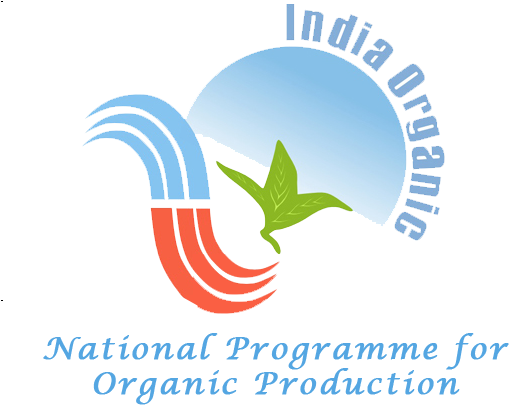
Implemented by APEDA under the Ministry of Commerce, NPOP is India’s most recognized organic certification system. It outlines comprehensive standards for:
Certification of crops, livestock, aquaculture, wild collection, mushrooms, seaweed, and greenhouse cultivation.
Processing, labeling, and packaging of organic produce.
Accreditation of third-party certification bodies.
Certification of crops, livestock, aquaculture, wild collection, mushrooms, seaweed, and greenhouse cultivation.
Processing, labeling, and packaging of organic produce.
Accreditation of third-party certification bodies.
Transition Period
Farms using chemical inputs must undergo a mandatory conversion phase of 2–3 years before they can be declared organic. During this period, growers must follow organic practices and undergo periodic inspections.
Global Acceptance
NPOP has been acknowledged by global organizations including:
The European Commission and Switzerland, for equivalency in plant production.
The USDA, recognizing NPOP’s accreditation procedures.
This allows Indian organic products to access foreign markets without additional certification. APEDA continues to work on building equivalence agreements with countries like Japan, Canada, Taiwan, and South Korea.
2. PGS-India (Participatory Guarantee System)
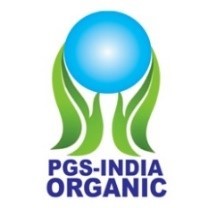
PGS-India is a farmer-friendly and cost-effective system designed for local and domestic markets. It operates without third-party agencies.
Key features include:
Peer Evaluation: Farmers within a group inspect and verify each other’s farming practices.
Low-Cost Certification: Ideal for small and marginal farmers.
Community-Based Accountability: Certification is based on trust, transparency, and shared responsibility.
PGS certification is recognized only for domestic trade. It cannot be used for export.
NPOP vs PGS-India: Core Differences
NPOP requires third-party certification agencies; PGS depends on group-based self-assessment.
NPOP-certified products can be exported globally; PGS-certified products are restricted to domestic sales.
NPOP is administered by APEDA, while PGS-India is supported by the National Centre for Organic Farming (NCOF).
NPOP requires third-party certification agencies; PGS depends on group-based self-assessment.
NPOP-certified products can be exported globally; PGS-certified products are restricted to domestic sales.
NPOP is administered by APEDA, while PGS-India is supported by the National Centre for Organic Farming (NCOF).
Understanding the “India Organic” Label
The “India Organic” logo is awarded to products that meet the National Standards for Organic Production. This certification confirms:
The farm or processing unit follows recognized organic methods.
Regular audits and inspections are performed by accredited agencies.
The certification is valid for one year and must be renewed annually.
Consumers can trust that any product carrying this logo meets the national benchmark for authentic organic production.
3. Significance of the “Jaivik Bharat” Logo
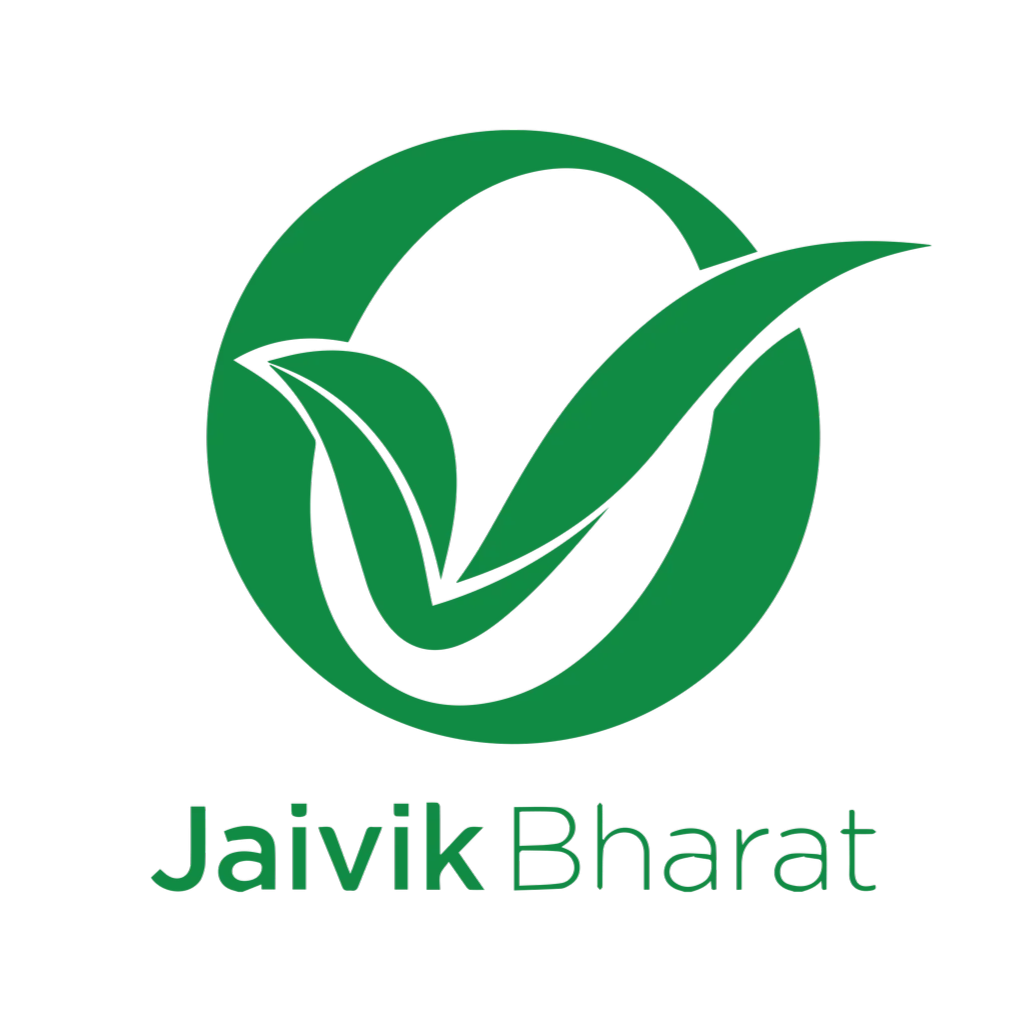
The Jaivik Bharat symbol was introduced to simplify organic recognition for consumers. With multiple logos in circulation earlier, this unified mark helps avoid confusion.
Key purposes of the Jaivik Bharat logo include:
Consumer Confidence: Ensures the product is certified organic under NPOP or PGS.
Higher Market Credibility: Strengthens trust within India and abroad.
Regulatory Compliance: Confirms the product meets FSSAI’s organic regulations.
Sustainability: Encourages chemical-free and eco-friendly agricultural practices.
PGS Green & PGS Organic Logos
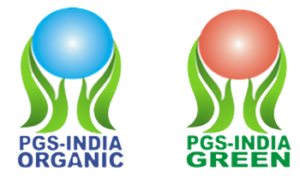
PGS Green Label: Indicates the farm is in the conversion phase—24 months for seasonal crops and 36 months for perennial crops.
PGS Organic Label: Given after successful completion of the conversion period and full compliance with organic standards.
PGS Green Label: Indicates the farm is in the conversion phase—24 months for seasonal crops and 36 months for perennial crops.
PGS Organic Label: Given after successful completion of the conversion period and full compliance with organic standards.
How to Read and Interpret Organic Labels
To verify whether a product is genuinely organic, consumers should look for:
Recognized logos: India Organic, Jaivik Bharat, PGS-India, USDA Organic, ECOCERT.
Certifier’s Name or Number: Should match records on the certifying body’s website.
Ingredient List: Should clearly show organic components.
Manufacturing & Expiry Dates: Helps ensure freshness and proper storage.
Country of Origin: Indicates where the organic ingredients were sourced.
Common Myths About Organic Labeling
“Organic food has zero pesticides.”
Organic standards allow certain natural pesticides; complete pesticide-free is not always possible.
"Organic is always healthier."
While safer and cleaner, nutritional levels can vary depending on cultivation and storage.
“Organic means cruelty-free.”
Standards differ across categories; not all organic certifications cover animal welfare in depth.
“Organic equals local.”
Organic products can be imported; locality depends on sourcing, not labeling.
“Organic food has zero pesticides.”
Organic standards allow certain natural pesticides; complete pesticide-free is not always possible.
"Organic is always healthier."
While safer and cleaner, nutritional levels can vary depending on cultivation and storage.
“Organic means cruelty-free.”
Standards differ across categories; not all organic certifications cover animal welfare in depth.
“Organic equals local.”
Organic products can be imported; locality depends on sourcing, not labeling.
Role of Private Certification Bodies
Private certifiers play a crucial part in maintaining the integrity of India’s organic ecosystem. Their responsibilities include:
Conducting detailed inspections and audits.
Ensuring adherence to national and international organic standards.
Issuing certification documents after verification.
Monitoring compliance through regular and unannounced site visits.
Their work ensures that consumers receive products that adhere to genuine organic practices.
Organic Farming Methods Beyond the Labels
Organic farming is built on techniques that regenerate the environment. Key methods include:
Crop Rotation: Helps maintain soil health.
Biological Pest Control: Using beneficial insects instead of chemicals.
Composting: Converts organic waste into nutrient-rich fertilizer.
Green Manure: Improves soil fertility naturally.
No Synthetic Inputs: Ensures cleaner food and reduces pollution.
These techniques support ecological balance and produce healthier crops.
Impact of Organic Labeling on Consumer Health
Organic labels influence buyers who seek safer and cleaner food. Potential health-related benefits include:
Lower exposure to synthetic pesticides.
Possible improvement in micronutrient intake.
Fewer artificial additives, benefiting sensitive individuals.
Beyond individual health, organic labeling also supports environmental and social well-being.
Environmental Benefits of Purchasing Organic Foods
Organic agriculture offers several environmental advantages, such as:
Reduced chemical contamination of water bodies.
Stronger soil structure thanks to composting and crop rotation.
Higher biodiversity on farms.
Lower carbon emissions through local and seasonal growing methods.
Better water retention in soil due to organic matter.
How to Verify Authentic Organic Products
Consumers can ensure they are buying true organic products by:
Checking for certification logos.
Reading ingredient lists closely.
Verifying certification numbers online.
Buying from trusted, transparent brands.
Avoiding misleading terms like “natural,” which do not guarantee organic status.
Consumer Rights Regarding Organic Food in India
Buyers are protected under several rights, such as:
Right to Information: Clear details about certification, ingredients, and origin.
Right to Safety: Products must be free from harmful chemical residues.
Right to Be Heard: Consumers may file complaints about false organic claims.
Right to Redressal: Compensation can be sought for fraudulent or mislabelled products.
Government authorities ensure these rights remain protected.
Future of Organic Labeling in India: Trends & Challenges
While the organic market in India is growing, some challenges remain:
High certification costs for small farmers.
Limited public awareness about the differences between organic and natural products.
Risk of fraudulent labeling.
Need for better technological integration such as blockchain-based traceability.
Requirement for evolving standards to match global expectations.
Despite these challenges, demand for clean and safe food continues to rise.
Conclusion:
Making Smarter Choices as a Consumer
Understanding organic labels empowers consumers to choose safer, more sustainable food. By learning how certifications work, checking ingredient lists, and selecting trusted brands, buyers can support a healthier lifestyle while encouraging environmentally friendly farming.
Choosing certified organic products is not just a personal choice—it contributes to a cleaner environment and a more responsible food system for India.

Powered By Organifest Technologies Pvt. Ltd.
Contact Info
- Address: Organifest Technologies Private Limited No.3, 1st Cross, Angalamman Nagar, Murungapakkam Puducherry, Puducherry - 605004
- Phone: +91 91500 27601
- Email: info@jogacy.com
My Account
Be a Seller
Apply NowDeveloped by Hostcupid Web Solutions